
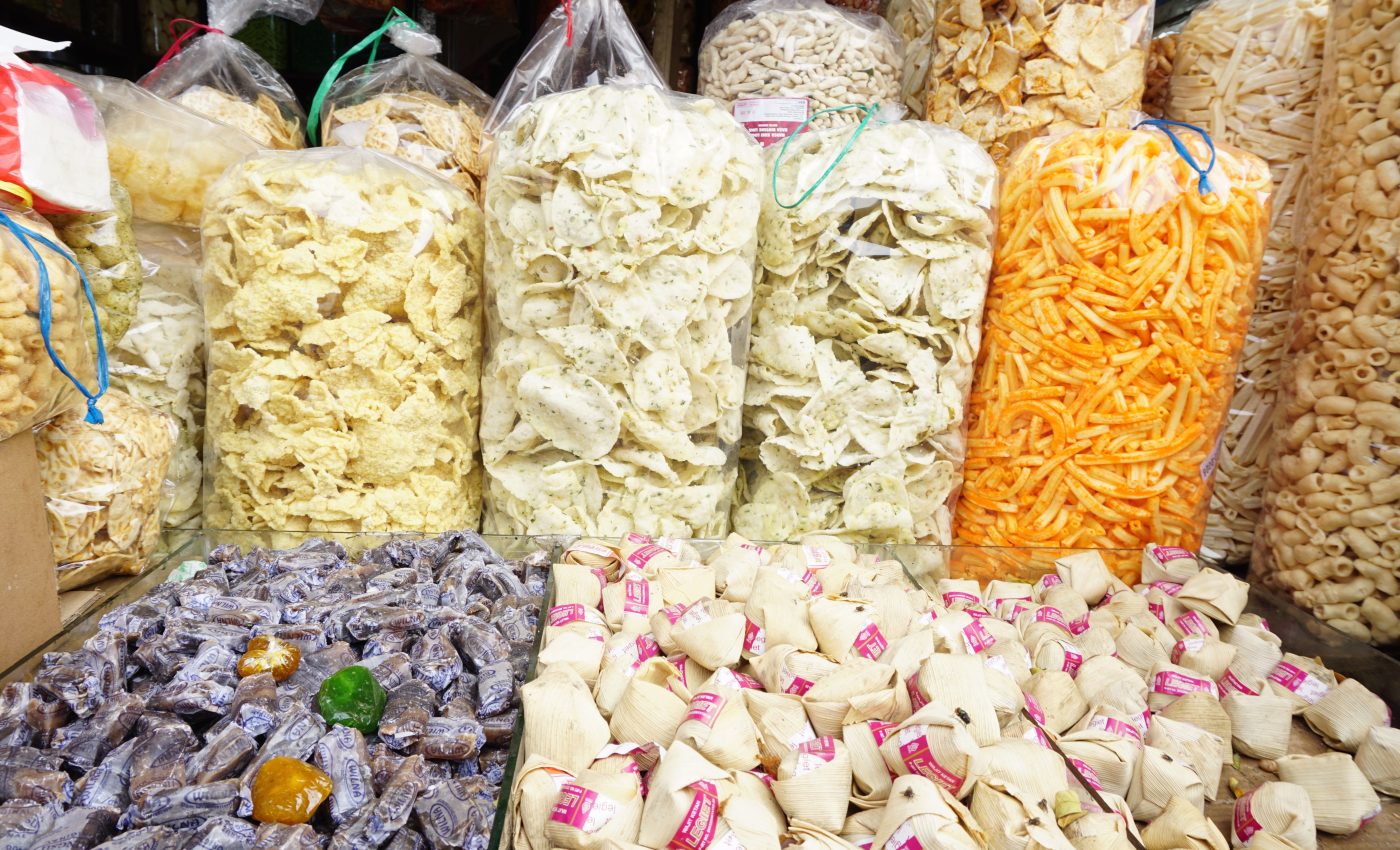

Walk through any major Indian city and the namkeen and snack shelf tells a story that most consumers never think about, dozens of regional brands, each with loyal customers, competing against a handful of large national players with far bigger production capacity. What has changed in the last few years is not the recipes, which are often decades old, but how these products get made and packed, and that shift is quietly deciding which regional brands survive the next decade of competition.
Why This Category Is Different From Other Food Manufacturing
Namkeen and snack products carry two challenges that make them harder to automate than many other food categories. The products are often irregular in shape and size, which makes consistent weighing genuinely difficult, and they are fried, meaning shelf life and oil oxidation are constant concerns that get worse the longer a product sits in inventory or on a retail shelf.
For years, this combination pushed many manufacturers toward staying manual, since automated equipment built for uniform products like grains or powders simply did not handle irregular snack shapes well. That has changed significantly with equipment designed specifically around variable product shapes.
What Automation Actually Solves in This Category
Weight consistency for irregular products used to be the biggest technical barrier, since a handful of namkeen mix does not weigh the same as an identical looking handful from the next batch. Multihead weighing technology, which combines multiple small measured portions to hit a target weight rather than relying on a single measurement, has largely solved this problem for manufacturers willing to invest in it.
Shelf life protection matters enormously for fried products, since oxidation is what makes snacks taste stale well before their printed expiry date. Modern packing lines increasingly include gas flushing at the sealing stage specifically to slow this process down, extending genuine shelf life rather than just extending the printed date.
Production scaling without proportional labour growth is what ultimately decides whether a regional brand can compete for larger retail contracts. A manual production line hits a hard ceiling on output that scales only by adding more staff, while an automated line can meaningfully increase output without a matching increase in headcount.
The Regional Brand Dilemma
Many regional namkeen and snack manufacturers built their reputation on a specific taste and texture that customers trust, and there is real, understandable hesitation about whether automation risks changing that. In practice, the manufacturers who navigate this well treat automation as solving distribution and consistency problems, not recipe problems. The frying, seasoning, and mixing stays exactly as it was, while the weighing and packing stage, which never touched flavour to begin with, is what gets modernised.
Where This Leaves Smaller Manufacturers
The honest reality is that larger players already have this advantage, which means smaller and regional manufacturers face a choice between investing in similar capability or accepting a permanent scale disadvantage. The good news is that equipment for this category has become more accessible than it used to be, with manufacturers like Arceus India building packing systems specifically sized for growing regional producers rather than only large industrial operations.
For manufacturers dealing with irregular product shapes and shelf life concerns, a properly specified namkeen packing machine addresses both problems at once, since the same multihead weighing accuracy that handles irregular shapes also pairs naturally with the gas flushing systems that protect shelf life.
The brands that will still be on shelves a decade from now are largely the ones making this transition now, while demand is growing rather than waiting until a larger competitor has already locked up the retail relationships that come with proven consistency at scale.